North Island · Capital city · public sector · seismic checks
Investing in Wellington
New Zealand’s capital, with a large public-sector and professional workforce, universities and a compact harbour city where seismic checks matter.
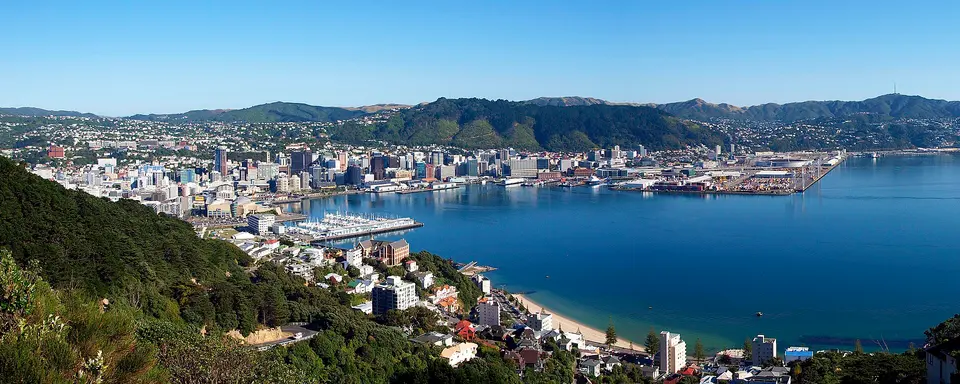
Wellington city and harbour. Photo: Ulrich Lange, Bochum, Germany · CC BY-SA 3.0
At a glance
Wellington’s demand is driven by government, professional services, universities and its role as the capital. It is also in an active seismic zone, so earthquake-prone building status, seismic ratings for apartments and land stability are central to any purchase.
What is Wellington like for investors?
Wellington is a compact harbour city surrounded by hills, with housing spread across the city and the wider region – including Lower Hutt, Upper Hutt, Porirua and the Kāpiti Coast. Government employment and the universities give the city a large professional and student population.
Because the region sits on major fault lines, seismic resilience is part of every property decision. Apartment buildings and older commercial buildings may be on the earthquake-prone register, which can mean strengthening costs for owners.
What drives demand?
Capital-city employment
Government, professional services and education underpin demand, though public-sector changes can affect the market.
Students
Universities create steady demand for rentals near campus and the city centre.
Regional choice
The Hutt Valley, Porirua and Kāpiti offer different price points within commuting distance.
What to check in Wellington
- Earthquake-prone building status on the MBIE public register
- Seismic assessment (%NBS rating) and strengthening plans for apartments
- Land stability and slope – many homes are on hillsides
- Body corporate levies and any planned remediation
- Insurance availability and natural-hazard cover
Start with the council’s LIM report and hazard maps, then confirm insurance before your agreement goes unconditional. See our due diligence checklist.
Holiday lets and short stays
Wellington’s visitor market is driven by business travel, events and government. Short-stay letting is subject to Wellington City Council’s rules and any body corporate restrictions.
Wellington property FAQs
What does earthquake-prone mean for a Wellington apartment?
If the building is on the earthquake-prone register, owners must strengthen or demolish it within a set timeframe, which can mean large special levies. Check the register and the body corporate records before buying.
Can I insure property in Wellington?
Generally yes, but premiums and excesses can be higher in seismic areas. Get quotes before your agreement goes unconditional.
Is Wellington only a city market?
No. The wider region includes the Hutt Valley, Porirua and Kāpiti Coast, each with different housing and price points.


Your next step
Exploring Wellington? Get a practical starting point.
Tell us what you are considering. We’ll use your brief to shape a useful first conversation about locations, strategy and the checks you may need.
Useful for first-time cross-border buyers, experienced investors and Australians exploring a tourism or lifestyle property.
- No obligation and no sales pitch
- Independent of any property seller
- Introductions to New Zealand lawyers, advisers and managers when you need them
Prefer to talk? Request a call back