Opportunities
Commercial property & development
Investigate business property, development sites and alternative opportunities – with specialist advice on consent and planning requirements.
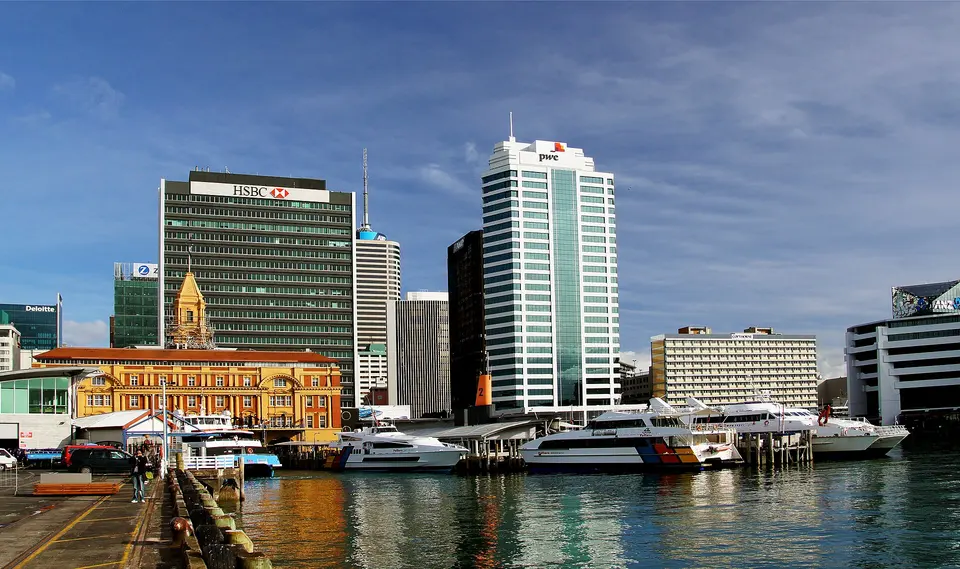
Auckland Ferry Building and CBD. Photo: Bernard Spragg. NZ from Christchurch, New Zealand · CC0
The short answer
Commercial property and development in New Zealand can offer different risk and return profiles to residential, but the due diligence is more specialised: leases, tenant covenants, zoning, resource and building consents, and – for some land or larger investments – overseas investment consent. Specialist advice is essential from the start.
Commercial property covers offices, retail, industrial and mixed-use buildings, usually let on longer leases to business tenants. Values depend heavily on the lease terms and the strength of the tenant, so the lease is as important as the building.
Development – from subdividing a section to building townhouses – depends on zoning, infrastructure capacity, consents and construction costs. Planning and resource-management law in New Zealand is being reformed, so confirm the current rules for the site with a planner and the council.
Who it may suit
- Experienced investors with specialist advisers
- Buyers with longer timeframes and larger capital
- Developers who understand local consenting and construction risk
What to investigate
Lease and tenant
Remaining lease term, rent reviews, outgoings recovery and the tenant’s financial strength.
Zoning and consents
What the district plan allows, consent history, and the resource and building consents a project would need.
Overseas investment rules
Australians are treated more favourably than many overseas investors, but sensitive land and larger business investments can still need consent. Confirm before you commit.
Building condition
Seismic rating and earthquake-prone status for older buildings, weathertightness and compliance with the building warrant of fitness.
Feasibility
Construction costs, development contributions, finance costs and realistic end values, tested with a quantity surveyor.
Costs to model
- Legal, valuation, planning and engineering advice
- Development contributions and consent fees
- Construction and holding costs
- GST on commercial and development transactions
- Specialist insurance
Risks to weigh
- Vacancy and tenant default
- Consenting delays and cost overruns
- Seismic strengthening requirements
- Changes to planning rules
- Financing and market risk on completion
Frequently asked questions
Do Australians need Overseas Investment Office consent for commercial property?
Not always, but some land and larger investments in business assets can require consent, with different thresholds for Australian investors. Check the current rules with Toitū Te Whenua LINZ and a lawyer.
What is an earthquake-prone building?
A building identified by the council as likely to perform poorly in a moderate earthquake. Owners must strengthen or demolish within set timeframes, which can be costly. The public register is published by MBIE.
Is GST charged on commercial property?
GST often applies to commercial and development transactions, sometimes at 0% between registered parties. Get tax advice before signing.
Where to research
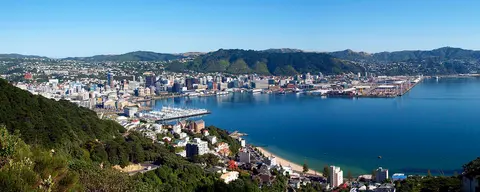
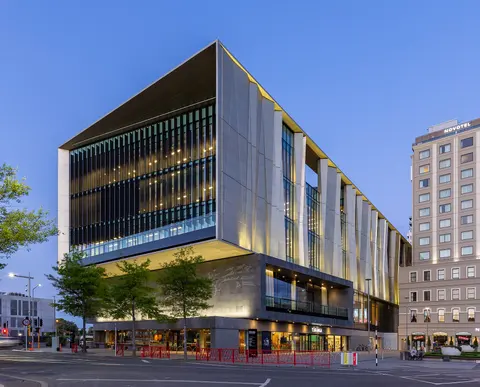
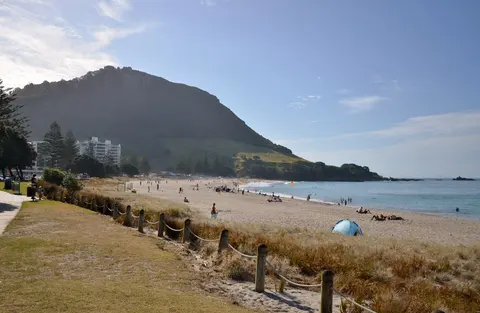
Locations to compare for commercial & development.

Your next step
Talk through commercial & development in New Zealand.
Tell us what you are considering. We’ll use your brief to shape a useful first conversation about locations, strategy and the checks you may need.
Useful for first-time cross-border buyers, experienced investors and Australians exploring a tourism or lifestyle property.
- No obligation and no sales pitch
- Independent of any property seller
- Introductions to New Zealand lawyers, advisers and managers when you need them
Prefer to talk? Request a call back