Opportunities
Holiday homes, short stays & tourism
Explore holiday accommodation and unique stays. Check seasonality, local rules, management costs and realistic occupancy assumptions.
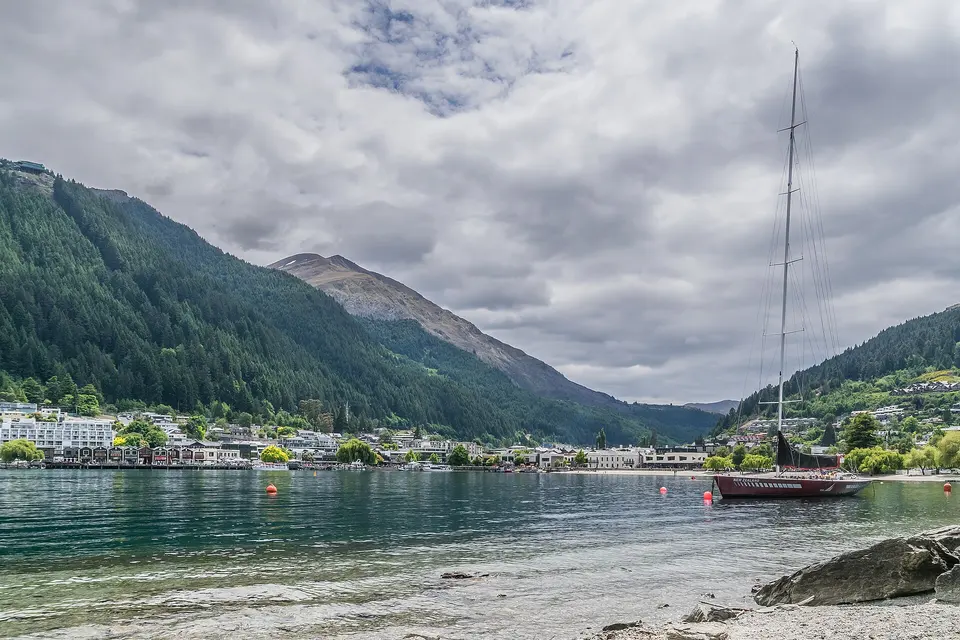
Queenstown Bay. Photo: Krzysztof Golik · CC BY-SA 4.0
The short answer
A New Zealand holiday home or short-stay property can combine personal use with income, but it is a business with its own rules: councils may limit or require registration for short-term letting, GST can apply, and occupancy is seasonal. Base your numbers on conservative occupancy and full management costs.
Tourist regions such as Queenstown Lakes, the Bay of Islands, Coromandel and Nelson Tasman attract both domestic and international visitors, and many Australians first look at New Zealand property as a holiday home. Mixing personal use and paid stays changes how the property is taxed and how the council treats it.
Short-term letting is regulated locally. Some councils require registration or resource consent, cap the number of nights, or charge different rates for visitor accommodation. Glamping and unique stays on rural land can also involve building consent and land-use rules. Check the specific property with the council before you buy.
Who it may suit
- Buyers who want some personal use of the property
- Investors comfortable with seasonal, variable income
- People prepared to run the property as a hospitality business, usually with a local manager
What to investigate
Council rules
Whether short-term letting is permitted in the zone, any registration, night limits or consent requirements, and how rates are charged for visitor accommodation.
Seasonality
Model low-season occupancy, not just peak weeks. Ski towns, beach destinations and wine regions all have quiet months.
GST and tax
Short-stay income can create GST obligations, and holiday homes used privately and rented out may fall under the mixed-use asset rules. Get advice before you buy.
Management and cleaning
Hosting from Australia means paying for guest communication, cleaning, linen, maintenance and platform fees.
Body corporate rules
Apartments and unit titles may restrict short-term letting under the body corporate rules – check them before you sign.
Costs to model
- Furnishing, linen and consumables
- Management, cleaning and platform fees
- Commercial or targeted rates where they apply
- Insurance suited to short-stay use
- GST and income tax compliance
Risks to weigh
- Seasonal and variable occupancy
- Changes to council short-stay rules
- Higher wear and tear
- Dependence on tourism and travel conditions
- Over-optimistic occupancy assumptions
Frequently asked questions
Can I rent out my New Zealand holiday home on Airbnb?
Often yes, but it depends on the council’s rules for that zone, any body corporate rules and your insurance. Some councils require registration or consent and limit the number of nights.
Do I need to register for GST on short-stay income?
It depends on your circumstances and how the accommodation is supplied. Online platforms collect GST on many listed stays, and larger operations may need to register. Check with Inland Revenue or an accountant.
What occupancy should I assume?
There is no reliable rule of thumb. Use conservative, local evidence from managers or recent performance data, and test whether the numbers work in a poor season.
Where to research
Locations to compare for tourism & short stays.



Your next step
Talk through tourism & short stays in New Zealand.
Tell us what you are considering. We’ll use your brief to shape a useful first conversation about locations, strategy and the checks you may need.
Useful for first-time cross-border buyers, experienced investors and Australians exploring a tourism or lifestyle property.
- No obligation and no sales pitch
- Independent of any property seller
- Introductions to New Zealand lawyers, advisers and managers when you need them
Prefer to talk? Request a call back